


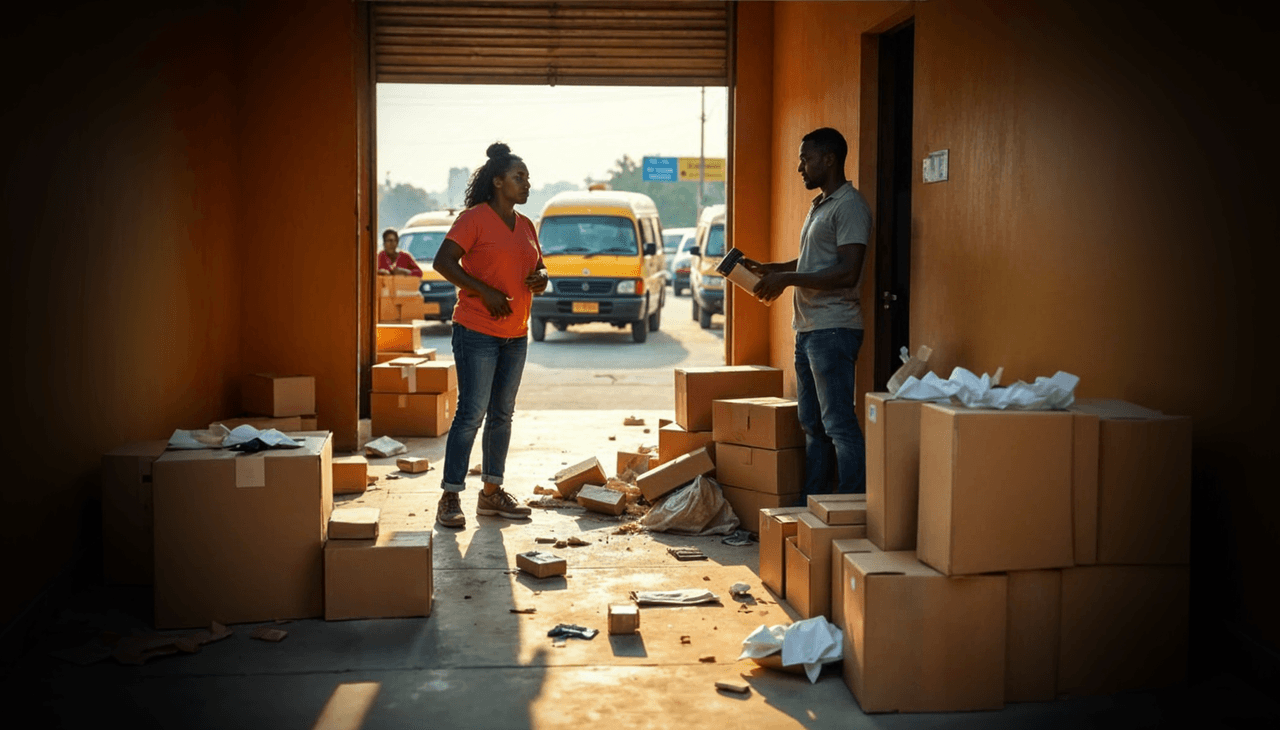
In Nigeria’s rapidly growing economy, logistics and transportation play a crucial role in facilitating trade and commerce. Central to this process is the waybill service, which is vital for tracking and managing shipments. However, despite its importance, waybill services in Nigeria face several challenges that hinder their effectiveness. This blog post will explore the common problems encountered in waybill services and propose potential solutions to enhance efficiency and reliability.
Common Problems in the waybill services in the Nigerian System
1. Lack of Standardization
One of the most significant issues facing waybill services in Nigeria is the lack of standardization across various providers. Different companies use varied formats and practices, leading to confusion among logistics personnel and businesses. This inconsistency results in delays, increased chances of errors, and ultimately affects customer satisfaction.
Solution: To address this issue, industry stakeholders must collaborate to develop a standardized waybill format. Establishing a unified system will streamline operations and improve recognition and processing of waybills across different service providers. Government agencies and industry associations can play a key role in facilitating these standardization efforts.
2. Inadequate Technology Integration
Another major challenge is the inadequate integration of technology in waybill services. Many companies still rely on outdated systems for tracking shipments, which hampers real-time tracking capabilities and complicates shipment management. This lack of technological advancement leaves customers uncertain about their shipments’ status, leading to frustration and dissatisfaction.
Solution: Investing in modern technology solutions is essential. Waybill service providers should adopt user-friendly platforms that allow for real-time tracking and efficient shipment management. Encouraging partnerships with technology firms can help logistics companies implement innovative solutions that enhance service delivery.
3. Corruption and Fraud
Corruption and fraud are significant issues within the waybill sector, undermining its credibility and reliability. Instances of fraudulent waybill issuance lead to the loss of goods and erode trust between service providers and customers. The lack of regulatory oversight further exacerbates these issues, as unethical practices can persist without accountability.
Solution: Strengthening regulatory frameworks and enhancing oversight can help combat corruption in the waybill system. Implementing strict penalties for fraudulent activities and promoting transparency in operations will build trust among stakeholders. Additionally, educating logistics personnel about ethical practices can foster a culture of integrity within the industry.
4. Poor Customer Service
Customer service is another area where waybill services often fall short. Many providers struggle to offer adequate support, resulting in long response times to inquiries and complaints. This poor service can lead to customer dissatisfaction, particularly when dealing with lost or delayed shipments.
Solution: To improve customer service, waybill providers should invest in training their staff to handle customer inquiries more efficiently. Implementing a dedicated customer support system that includes multiple channels of communication; such as phone, email, and chat will help address customer concerns promptly. Additionally, regular feedback from customers can guide service improvements.
5. Infrastructure Challenges
Nigeria’s inadequate infrastructure poses significant challenges for waybill services. Poor road networks and inadequate handling facilities can delay deliveries and compromise the quality of goods in transit. These infrastructure issues not only affect logistics efficiency but also increase operational costs for service providers.
Solution: Collaboration between government agencies and logistics companies is crucial to improve infrastructure. Investments in road networks and handling facilities can enhance the overall efficiency of waybill services. Moreover, adopting alternative transportation methods, such as rail or air, where feasible, can mitigate some of these challenges.
Conclusion
The waybill service sector in Nigeria plays a vital role in the country’s logistics and transportation landscape. However, to thrive in an increasingly competitive environment, it must overcome several challenges. By addressing issues such as lack of standardization, inadequate technology integration, corruption, poor customer service, and infrastructure problems, stakeholders can enhance the efficiency and reliability of waybill services.