


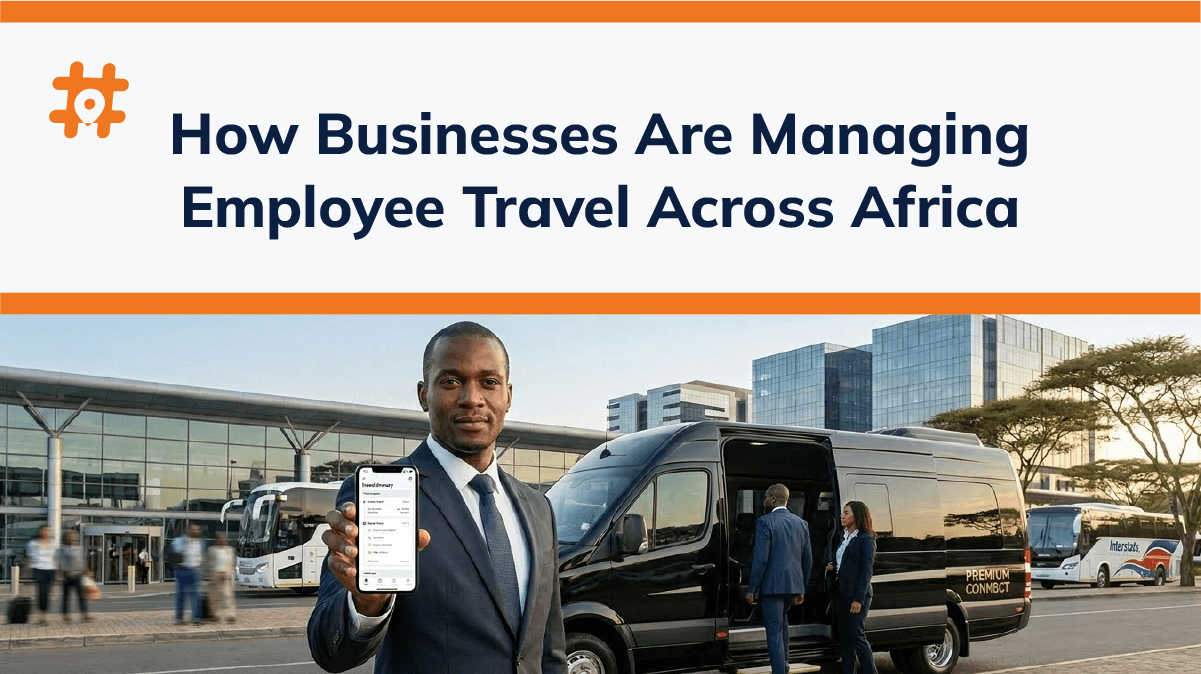
Business travel in Africa is evolving rapidly. As organizations expand across borders, attend regional conferences, engage clients, and manage distributed teams, corporate travel is becoming increasingly strategic rather than merely operational.
From digital booking platforms and cost optimization strategies to sustainable travel initiatives and employee well-being, African businesses are rethinking how they manage corporate mobility.
In 2026, organizations are looking for smarter, safer, and more efficient ways to move employees across cities, states, and countries while maintaining productivity and controlling travel expenses.
This guide explores the key corporate travel trends shaping Africa in 2026 and what businesses need to know to stay ahead.
Why Corporate Travel Matters More Than Ever
Corporate travel remains essential for business growth despite the rise of virtual meetings.
Organizations continue to rely on face-to-face interactions for:
- Sales and business development
- Client relationship management
- Site visits and inspections
- Conferences and exhibitions
- Training and workforce development
- Regional expansion initiatives
- Executive meetings
While technology enables remote collaboration, in-person business engagements continue to drive stronger relationships and faster decision-making.
Top Corporate Travel Trends in Africa for 2026
1. Digital-First Travel Management
The days of manual travel bookings and fragmented transportation arrangements are rapidly disappearing.
Businesses are increasingly adopting digital travel solutions that allow employees and administrators to:
- Book transportation online
- Manage travel itineraries
- Track travel expenses
- Monitor employee movement
- Access centralized reporting
Companies are prioritizing platforms that simplify travel planning while improving visibility and accountability.
What This Means for Businesses
Organizations that digitize travel management processes can improve efficiency, reduce administrative workload, and gain better control over travel spending.
2. Cost Optimization Is a Top Priority
Economic uncertainty, inflation, and rising transportation costs are forcing organizations to rethink travel budgets.
Businesses are now focusing on:
- Travel cost reduction
- Route optimization
- Advance booking strategies
- Preferred transportation providers
- Centralized travel procurement
Travel managers are under increasing pressure to deliver value while maintaining employee productivity.
Emerging Trend
Many organizations are moving away from ad-hoc transportation arrangements and partnering with trusted travel platforms to improve cost predictability.
3. Employee Experience Is Becoming a Competitive Advantage
Corporate travelers increasingly expect convenient, seamless, and comfortable travel experiences.
Businesses are recognizing that travel-related stress can negatively impact employee performance and satisfaction.
Companies are investing in:
- Streamlined booking processes
- Reliable transportation providers
- Flexible travel options
- Better travel support systems
- Enhanced traveler safety measures
Organizations that prioritize traveler experience often see higher employee satisfaction and productivity.
4. Corporate Ground Transportation Is Gaining Importance
While flights remain critical for long-distance travel, ground transportation continues to play a major role in corporate mobility across Africa.
Employees frequently require transportation for:
- Airport transfers
- Interstate business trips
- Client meetings
- Site visits
- Regional operations
Businesses are increasingly seeking dependable transportation partners capable of supporting multiple destinations and travel requirements.
Opportunity for Businesses
Centralizing transportation booking can improve operational efficiency and provide greater visibility into travel activities.
5. Data-Driven Travel Decisions
Organizations are leveraging travel data to improve planning and budgeting.
Key metrics being tracked include:
- Travel frequency
- Transportation costs
- Route performance
- Employee travel patterns
- Supplier utilization
Data-driven travel management helps organizations identify cost-saving opportunities and optimize travel policies.
6. Increased Focus on Traveler Safety
Safety remains a critical consideration for organizations operating across Africa.
Modern corporate travel programs increasingly include:
- Traveler tracking
- Risk assessment protocols
- Emergency support systems
- Approved transportation providers
- Real-time communication tools
Businesses are prioritizing travel partners that can provide safe and reliable transportation experiences.
7. Sustainability Is Influencing Travel Policies
Environmental responsibility is becoming an important factor in travel decision-making.
Organizations are exploring ways to reduce their travel-related environmental impact through:
- Route optimization
- Shared transportation solutions
- Efficient travel planning
- Reduced unnecessary travel
Sustainable travel practices are increasingly being integrated into corporate travel policies.
8. Multi-City Business Travel Is Increasing
As businesses expand operations across multiple African markets, employee mobility requirements are becoming more complex.
Common travel patterns now include:
- Airport-to-city transfers
- Interstate travel
- Multi-city business trips
- Regional travel circuits
Organizations require transportation solutions that can support flexible travel needs across multiple destinations.
Challenges Facing Corporate Travel Managers in Africa
Despite advancements, travel managers continue to face several challenges:
Budget Control
Balancing cost savings with traveler comfort remains a key concern.
Supplier Management
Managing multiple transportation providers can be time-consuming.
Travel Visibility
Organizations often struggle to maintain oversight of employee travel activities.
Booking Inefficiencies
Manual processes increase the risk of delays and errors.
Safety Compliance
Ensuring traveler safety remains a top priority.
How Technology Is Transforming Corporate Travel
Modern travel technology enables organizations to:
- Automate booking processes
- Improve policy compliance
- Monitor travel expenses
- Access travel analytics
- Enhance traveler experience
- Simplify reporting
Companies adopting digital travel tools are better positioned to manage growing mobility requirements efficiently.
How Intercity Supports Corporate Travel in Africa
As corporate mobility continues to evolve, businesses need transportation solutions that are reliable, scalable, and easy to manage.
Intercity helps organizations simplify employee travel through:
Interstate Transportation Solutions
Book transportation across major cities and business destinations.
Airport Transfer Services
Arrange seamless airport pickups and drop-offs for employees and executives.
Centralized Travel Management
Streamline transportation bookings and improve travel visibility.
Reliable Transportation Network
Access dependable travel options for business trips and corporate mobility needs.
Flexible Travel Planning
Support one-time trips, recurring travel requirements, and multi-city journeys.
For organizations seeking smarter ways to manage employee transportation, Intercity provides a practical solution that aligns with modern corporate travel needs.
The Future of Corporate Travel in Africa
The future of business travel in Africa will be shaped by:
- Digital transformation
- Increased mobility
- Smarter transportation solutions
- Enhanced traveler experiences
- Data-driven decision-making
- Sustainable travel practices
Organizations that embrace these trends will be better positioned to improve efficiency, reduce costs, and support business growth.
Frequently Asked Questions About Corporate Travel Trends in Africa
Digital travel management, cost optimization, traveler safety, corporate transportation solutions, sustainability initiatives, and data-driven decision-making are among the leading trends.
Business travel remains essential for relationship building, sales activities, client engagement, site visits, conferences, and regional expansion.
Organizations can reduce costs through advance booking, centralized travel management, preferred suppliers, and technology-driven travel planning.
Technology helps automate bookings, improve visibility, track expenses, monitor compliance, and enhance the overall traveler experience.
Intercity provides transportation solutions including interstate travel, airport transfers, and centralized booking support for businesses managing employee mobility.
Final Thoughts
Corporate travel in Africa is becoming more sophisticated, strategic, and technology-driven. As organizations seek greater efficiency, cost control, and employee satisfaction, travel management practices are evolving rapidly.
Businesses that invest in modern travel solutions, reliable transportation networks, and data-driven decision-making will be better equipped to navigate the changing corporate mobility landscape.
Whether your organization requires airport transfers, interstate transportation, or scalable employee travel solutions, having the right travel partner can significantly improve operational efficiency and traveler experience.
Looking for a Smarter Way to Manage Corporate Travel?
Intercity helps organizations streamline employee transportation, airport transfers, and interstate travel across Nigeria and beyond.
Explore Corporate Travel Solutions
Simplify Employee Transportation Management with Intercity
Related Articles
A Smarter Way for Communities and Organizations to Manage Travel in Nigeria | Intercity 2×2 Campaign
Corporate Travel in Nigeria (2026 Guide): Costs, Booking & Best Solutions