


A Practical Guide to Managing Complex Business Travel Itineraries (2026)
On paper, a work trip can look straightforward.
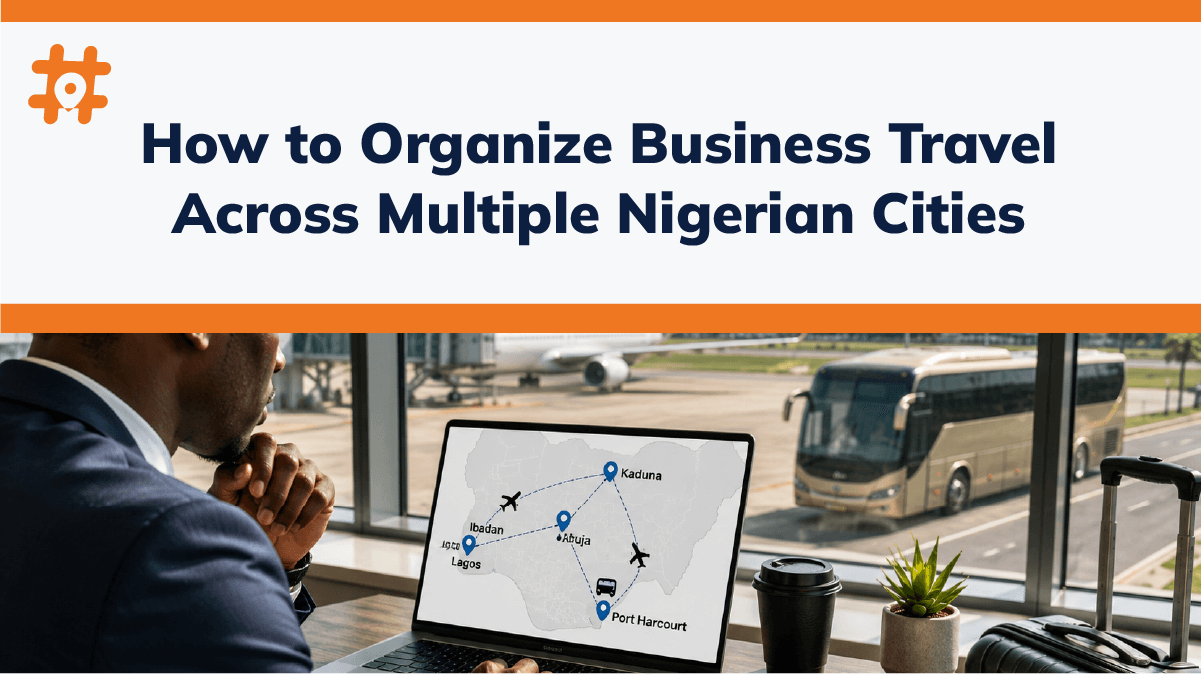
Fly into Lagos on Monday. Meet a client. Travel to Ibadan on Tuesday for a factory inspection. Continue to Abuja for a conference. Visit a project site in Kaduna before returning home on Friday.
Then reality steps in.
A delayed flight pushes back your first meeting. Traffic changes your arrival time. One client requests an earlier meeting, while another postpones theirs by a day. Suddenly, what looked like a simple itinerary becomes a logistical puzzle.
If you’ve ever coordinated travel across multiple Nigerian cities, you know that success isn’t just about booking transportation, it’s about building an itinerary that can adapt when plans change.
This guide shares practical strategies used by experienced professionals to manage complex work trips efficiently while reducing unnecessary stress, delays, and travel costs.
Why Multi-City Business Travel Requires a Different Approach
Planning one meeting in one city is relatively simple.
Managing meetings across several locations requires balancing:
- Transportation schedules.
- Meeting priorities.
- Hotel check-ins.
- Travel time.
- Traffic conditions.
- Budget constraints.
- Unexpected delays.
- Team coordination.
The more destinations involved, the more valuable good planning becomes.
Start With Business Priorities, Not Transport
A common mistake is booking transportation before confirming business commitments.
Instead, begin by asking:
- Which meetings are fixed?
- Which appointments have flexibility?
- Which locations are highest priority?
- Are any meetings virtual if travel becomes difficult?
- Which activities depend on arriving before a specific time?
Your itinerary should serve your business goals, not the other way around.
Group Destinations Logically
One lesson experienced business travellers learn is to avoid unnecessary backtracking.
For example, instead of:
Lagos → Abuja → Ibadan → Port Harcourt
A more efficient route might be:
Lagos → Ibadan → Abuja → Port Harcourt
Grouping destinations geographically often saves time, reduces costs, and minimizes travel fatigue.
Whenever possible, plan your journey so each city naturally leads to the next.
Choose the Right Mode of Transport for Each Leg
One transportation method rarely fits every stage of a business trip.
Think of your itinerary as a combination of tools rather than a single solution.
Domestic Flights
Flights are often the fastest option between major commercial centres such as:
- Lagos
- Abuja
- Port Harcourt
- Kano
- Enugu
They are particularly useful when time is more valuable than distance.
Interstate Road Transport
Not every destination has convenient flight connections.
Executive interstate buses are often practical for shorter regional journeys, such as:
- Lagos to Ibadan
- Abuja to Kaduna
- Enugu to Onitsha
- Port Harcourt to Owerri
For these routes, travelling by road may simplify logistics and reduce overall travel time when airport procedures are considered.
Airport Transfers
Airport transfers are frequently overlooked, yet they often determine whether you arrive at your next appointment on time.
Pre-arranging transfers reduces uncertainty and helps your itinerary stay on schedule.

Build Time Buffers Into Your Schedule
One of the biggest differences between experienced and inexperienced business travellers is how they manage time.
Experienced travellers rarely schedule meetings immediately after arrival.
Instead, they allow enough time for:
- Flight delays.
- Traffic congestion.
- Baggage collection.
- Airport transfers.
- Unexpected schedule changes.
A buffer of even one hour can prevent a missed meeting from affecting the rest of your itinerary.
Keep One Master Itinerary
Avoid storing information across multiple emails, screenshots, and notebooks.
Maintain one document that includes:
- Flight details.
- Bus bookings.
- Hotel reservations.
- Meeting addresses.
- Contact numbers.
- Confirmation references.
- Emergency contacts.
Having everything in one place makes last-minute changes much easier to manage.
Coordinate Accommodation With Your Meetings
Choosing the cheapest hotel isn’t always the smartest decision.
Instead, stay close to where you’ll spend most of your working hours.
This reduces:
- Daily commuting time.
- Transportation costs.
- Stress caused by heavy traffic.
- The likelihood of arriving late.
The time saved often outweighs any small difference in room rates.
Mid-Trip Changes Are Normal, Plan for Them
One reality of business travel is that plans evolve.
Clients reschedule meetings.
Projects finish earlier than expected.
Conferences run over time.
The most successful travellers anticipate change rather than assuming every booking will unfold exactly as planned.
Choosing transport options that give you flexibility can make itinerary adjustments much easier.
Planning Multiple Cities? Keep Everything Connected
When your itinerary includes flights, road travel, airport transfers, and accommodation, managing separate bookings can quickly become time-consuming.
Instead of switching between multiple websites and transport providers, many professionals now prefer platforms that allow them to compare travel options, organize bookings, and keep their itinerary in one place.
Whether you’re travelling from Lagos to Ibadan, Abuja to Kaduna, or combining several destinations in one week, having a centralized planning process reduces administrative work and helps you stay focused on your business objectives.
Prepare for the Unexpected
Even carefully planned business trips encounter surprises.
Consider having contingency plans for:
- Delayed flights.
- Heavy traffic.
- Weather disruptions.
- Meeting cancellations.
- Extended site visits.
- Changes in accommodation.
- Alternative transport options.
Thinking through these possibilities before departure can save valuable time when adjustments become necessary.
Technology Makes Multi-City Travel Easier
Today’s business traveller has access to tools that simplify complex itineraries.
Digital travel platforms can help you:
- Compare domestic flights.
- Explore interstate transport options.
- Review departure schedules.
- Organize multiple bookings.
- Adjust travel plans more efficiently.
Having this information available before you travel reduces uncertainty and improves decision-making throughout your trip.
Common Mistakes to Avoid
After years of observing corporate travel patterns, a few mistakes appear repeatedly.
Avoid:
- Booking transport before confirming meetings.
- Scheduling appointments too close together.
- Ignoring transfer times.
- Staying far from business districts.
- Relying on a single transport option.
- Waiting until the last minute to book.
- Forgetting to build contingency time into your itinerary.
Small planning decisions often determine whether a work trip feels smooth or stressful.
Why Integrated Travel Planning Saves Time
Managing a multi-city itinerary isn’t simply about making reservations.
It’s about seeing how every part of your journey fits together.
Professionals increasingly value platforms that allow them to compare flights, interstate buses, and travel schedules from one place rather than coordinating each booking separately.
When transportation planning becomes simpler, more time can be spent preparing for meetings instead of managing logistics.
Final Thoughts
Planning a multi-city work trip in Nigeria requires more than booking transportation.
It means understanding how meetings, travel time, accommodation, and contingency planning all work together.
The most productive business travelers don’t eliminate uncertainty, they prepare for it.
By grouping destinations logically, selecting the right transport for each leg of the journey, building realistic time buffers, and organizing your itinerary in one place, you can reduce travel stress while improving productivity.
A well-planned itinerary doesn’t just help you arrive, it helps you perform.
Simplify Complex Business Travel with Intercity
Whether you’re coordinating meetings across Lagos, Abuja, Port Harcourt, Enugu, Ibadan, Kaduna, or several other Nigerian cities, Intercity helps simplify the planning process.
Instead of managing flights, interstate transport, and schedules across multiple platforms, you can:
- Compare domestic flight options.
- Explore interstate bus routes.
- Plan multi-city travel.
- Review departure schedules.
- Organize your business journey more efficiently from one platform.
Whether you’re travelling for client meetings, project inspections, conferences, or regional operations, Intercity helps make complex itineraries easier to manage, so you can spend less time coordinating logistics and more time achieving your business goals.
Frequently Asked Questions (FAQs) About How Do I Plan a Multi-City Work Trip in Nigeria?
Start by confirming your meetings first, group destinations logically, choose the most suitable transport for each route, and leave enough buffer time between travel and appointments.
Yes. Many business travelers use domestic flights for longer distances and executive interstate buses for shorter regional journeys where road travel is more practical.
Booking in advance usually provides more scheduling options and makes it easier to coordinate transportation with meetings and accommodation.
Your itinerary should contain transport bookings, hotel reservations, meeting schedules, addresses, contact numbers, confirmation references, and emergency contacts.
A centralized platform makes it easier to compare transport options, organize bookings, adjust schedules when plans change, and keep your entire itinerary in one place.
Related Articles
How to Get Airport Transfers for Interstate Connections in Nigeria
How to Arrange Safe Transportation in Nigeria as a Foreigner