


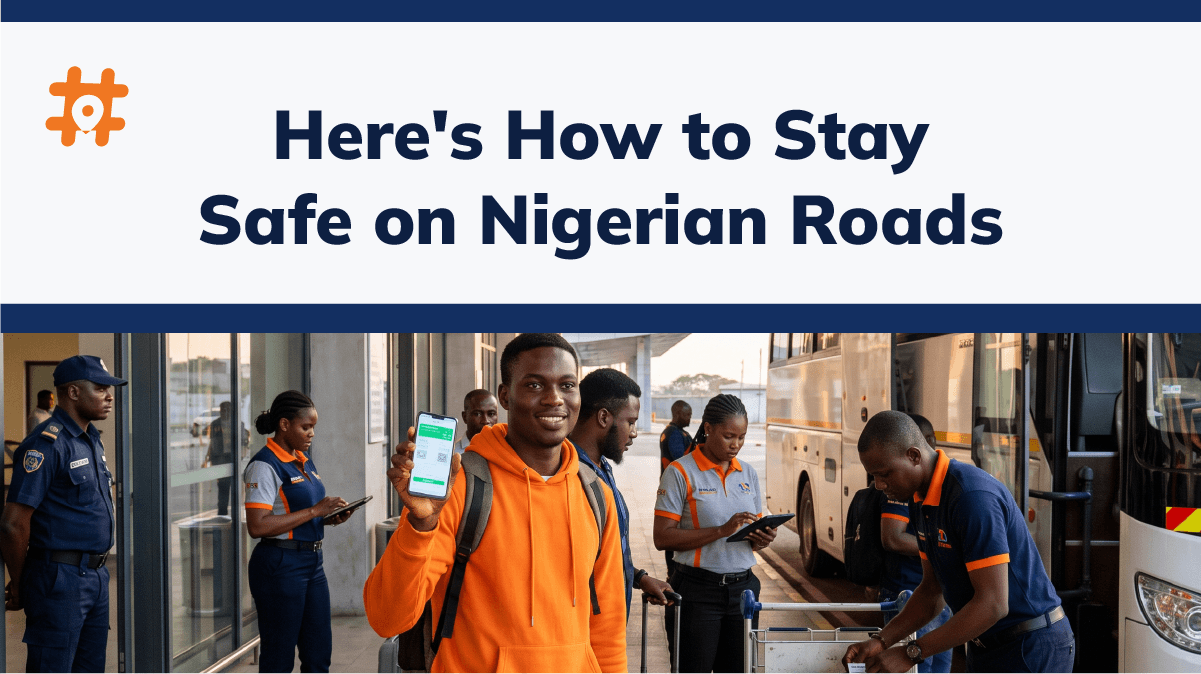
Interstate bus travel remains one of the most affordable and popular ways to travel across Nigeria. Every day, thousands of passengers journey between major cities such as Lagos, Abuja, Port Harcourt, Enugu, Benin City, Ibadan, Kano, Owerri, Uyo, and Calabar for business, education, tourism, family visits, and other important purposes.
However, one question continues to concern many travellers:
Is interstate bus travel safe in Nigeria?
The answer is yes, provided you choose a reputable transport operator, book through a trusted platform, and follow recommended safety practices.
Although road travel comes with risks like any other form of transportation, many transport companies have significantly improved passenger safety by investing in modern buses, trained drivers, vehicle maintenance, GPS tracking, and structured terminal operations.
This guide explains everything you need to know before your next interstate trip.
How Safe Is Interstate Bus Travel in Nigeria?
Road transportation is the backbone of intercity travel in Nigeria because it connects virtually every state and major city.
Today, many established transport companies prioritize passenger safety by implementing:
- Professional driver recruitment
- Driver training and periodic assessments
- Routine vehicle inspections
- Scheduled vehicle maintenance
- Speed monitoring
- Passenger manifest records
- Organized departure terminals
- GPS tracking on selected fleets
- Customer support services
While no mode of transport can eliminate all risks, choosing a reputable operator significantly improves your travel experience and safety.
Factors That Affect Bus Travel Safety
Several factors determine how safe an interstate journey will be.
1. Quality of the Transport Company
The transport operator you choose is one of the biggest safety factors.
Reliable operators typically:
- Maintain newer buses
- Service vehicles regularly
- Employ experienced drivers
- Operate from organized terminals
- Follow scheduled departures
- Keep passenger records
Choosing a trusted operator greatly reduces avoidable travel risks.
2. Driver Experience
Professional drivers undergo extensive experience before handling long-distance routes.
Experienced drivers are generally better at:
- Defensive driving
- Managing difficult weather conditions
- Handling highway traffic
- Responding to emergencies
- Reducing accident risks
3. Vehicle Maintenance
A properly maintained bus is much safer than one with mechanical faults.
Routine maintenance usually includes:
- Brake inspections
- Tire replacement
- Engine servicing
- Suspension checks
- Steering inspections
- Lighting systems
- Air conditioning servicing
Regular maintenance helps prevent unexpected breakdowns and improves passenger safety.
4. Road Conditions
Road conditions vary across Nigeria.
Factors affecting safety include:
- Potholes
- Ongoing road construction
- Heavy traffic
- Flooded roads during rainy seasons
- Night visibility
Professional drivers usually adjust their driving according to road conditions.
5. Weather Conditions
Heavy rainfall, fog, or poor visibility can affect road safety.
Travelling during favorable weather conditions can reduce travel risks.
Safety Measures Many Transport Companies Have Introduced
The Nigerian transport industry has evolved significantly in recent years.
Many transport operators now provide:
GPS Vehicle Tracking
Some buses are monitored in real time throughout the journey.
Passenger Manifest
Passenger information is recorded before departure, making it easier to identify travellers in emergencies.
Professional Drivers
Many transport companies employ licensed drivers with interstate driving experience.
Scheduled Maintenance
Vehicles are inspected before major trips to ensure they remain roadworthy.
Customer Support
Passengers can contact customer service before, during, or after their journey when necessary.

Safety Tips for Interstate Bus Travel
You also have an important role in ensuring your own safety.
Book Through Trusted Platforms
Online booking platforms help you compare transport operators, departure times, routes, and available seats before making a reservation.
Arrive Early
Getting to the terminal early allows enough time for check-in, luggage inspection, and boarding without unnecessary stress.
Keep Valuables Secure
Carry:
- Phones
- Wallets
- Passports
- Identification
- Laptops
- Important documents
inside your personal bag rather than checked luggage whenever possible.
Avoid Displaying Expensive Items
Avoid attracting unnecessary attention by keeping valuable items discreetly stored.
Inform Someone About Your Journey
Share your:
- Departure city
- Destination
- Bus operator
- Departure time
- Expected arrival time
with a trusted family member or friend.
Follow Crew Instructions
Always listen to instructions given by drivers and terminal officials, especially during boarding and emergency situations.
Is Day Travel Safer Than Night Travel?
Many travellers prefer daytime journeys because:
- Roads are more visible.
- Weather conditions are easier to monitor.
- Assistance is more readily available if needed.
- Drivers generally experience better visibility.
However, many reputable transport companies also operate safe overnight services with experienced drivers and scheduled rest periods.
Choose the travel time that best suits your itinerary while considering your comfort and the operator’s reputation.
Why Online Bus Booking Improves Travel Safety
Booking online offers several advantages beyond convenience.
It allows travellers to:
- Compare reputable transport companies.
- View departure schedules.
- Reserve seats in advance.
- Avoid overcrowded terminals.
- Receive booking confirmations.
- Better organize travel plans.
Planning ahead often contributes to a smoother and safer travel experience.
Common Mistakes Travelers Should Avoid
Many travel problems can be avoided by steering clear of these mistakes:
- Booking with unverified transport operators.
- Arriving late at the terminal.
- Carrying excessive cash.
- Ignoring luggage tags.
- Forgetting identification documents.
- Waiting until the last minute to book.
- Leaving valuables unattended.
- Ignoring travel updates.
Bus Travel vs Air Travel in Nigeria
Many travellers compare buses with domestic flights.
| Feature | Interstate Bus | Domestic Flight |
|---|---|---|
| Cost | Lower | Higher |
| City Coverage | Extensive | Limited to airports |
| Luggage Flexibility | Generally higher | Depends on airline policy |
| Accessibility | Available in most cities | Airport-dependent |
| Travel Experience | Scenic road journey | Faster travel time |
For many Nigerians, interstate buses remain the most practical and affordable travel option, especially for destinations not served by airports.
Benefits of Interstate Bus Travel
Apart from affordability, interstate buses offer:
- Wide route coverage
- Frequent departures
- Comfortable executive buses
- Air-conditioned coaches
- Flexible luggage options
- Online ticket booking
- Convenient terminal locations
- Cost-effective travel for families and groups
Who Should Consider Interstate Bus Travel?
Bus travel is ideal for:
- Students
- Business travellers
- Tourists
- Families
- Corporate travellers
- Budget-conscious travellers
- Holiday travellers
- People travelling between states without nearby airports
Final Thoughts
Interstate bus travel in Nigeria remains a dependable and economical way to move between cities. While road travel involves certain risks, selecting a reputable transport operator, planning your trip carefully, and following basic travel safety practices can greatly improve your experience.
Modern transport companies continue to invest in better vehicles, driver training, maintenance programs, and passenger support services, making bus travel safer and more convenient than ever.
Whether you’re travelling for work, school, business, or leisure, informed planning is the key to a safe and comfortable journey.
Ready to Book Your Next Trip?
Planning to travel across Nigeria?
With Intercity, you can:
- Compare multiple transport operators.
- Book bus tickets online in minutes.
- Choose convenient departure times.
- Reserve your preferred seat in advance.
- Plan your trip with confidence.
Book your next interstate journey through Intercity today and enjoy a convenient, secure, and hassle-free travel experience.
Frequently Asked Questions (FAQs) About Is Interstate Bus Travel Safe in Nigeria?
Yes. Interstate bus travel is generally safe when you choose a reputable transport operator, travel on well-maintained buses, and follow recommended safety precautions.
Book with trusted operators, arrive early, keep valuables secure, inform someone about your travel plans, and follow instructions from transport staff.
Yes. Booking through a trusted online platform allows you to compare operators, reserve seats in advance, receive booking confirmations, and better plan your trip.
Carry a valid ID, your booking confirmation, phone charger, water, light snacks, essential medications, and keep valuables in your hand luggage.
Look for operators with good customer reviews, organized terminals, well-maintained buses, experienced drivers, transparent schedules, and reliable customer support.
Related Articles
Cross-Border Travel in West Africa: What Travelers Need to Know in 2026
Major Road Travel Routes in Nigeria: Average Bus Fares, Costs & Booking Guide (2026)