


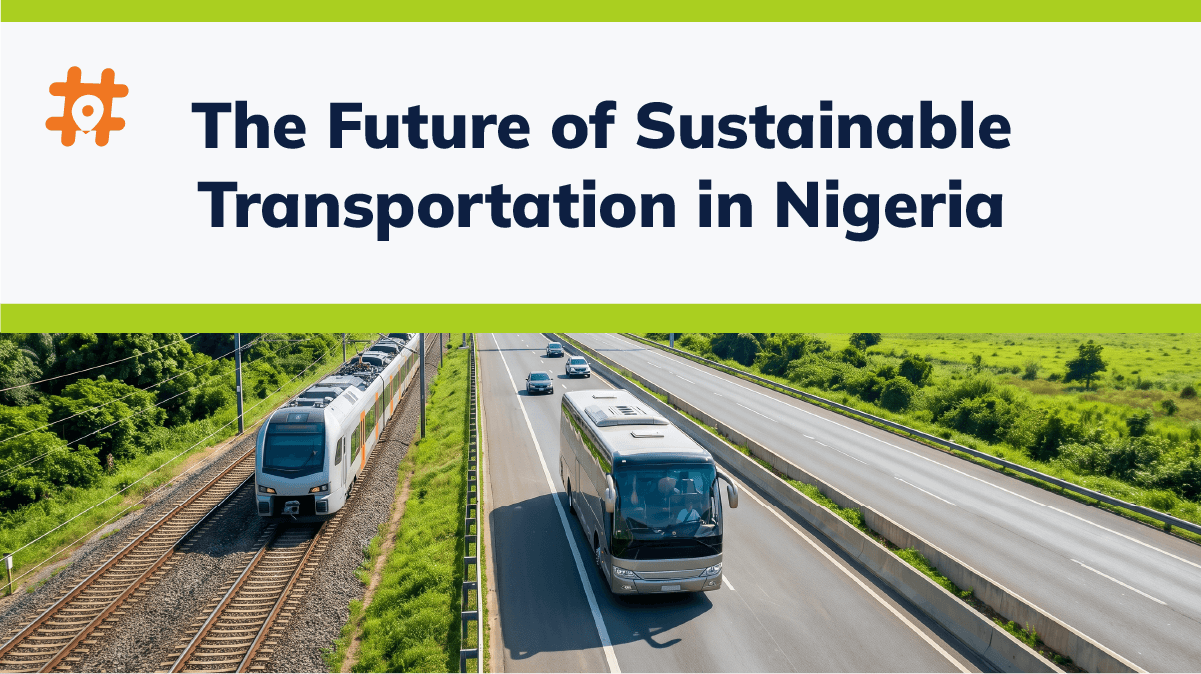
As climate change and environmental sustainability become global priorities, the way we travel is receiving more attention than ever before. Every journey we take whether by car, bus, train, or airplane has an environmental impact, primarily through greenhouse gas emissions.
In Nigeria, where millions of people travel daily for work, business, education, tourism, and family visits, transportation is one of the country’s most important economic sectors. At the same time, it is also a significant contributor to carbon emissions due to the widespread use of fossil fuels.
This has sparked an important conversation: Can public transportation help reduce carbon emissions in Nigeria?
The answer is yes, but it depends on how transportation systems are designed, managed, and adopted by travelers.
In this guide, we’ll explore the relationship between sustainable travel and public transportation, examine the environmental impact of different transport modes, and discuss practical ways travelers can contribute to a greener future.
What Is Sustainable Travel?
Sustainable travel means making travel choices that minimize negative environmental, social, and economic impacts while supporting local communities and preserving natural resources for future generations.
In transportation, sustainable travel focuses on:
- Reducing greenhouse gas emissions
- Using energy more efficiently
- Encouraging shared mobility
- Reducing traffic congestion
- Supporting cleaner transportation systems
It is not about eliminating travel, it is about making smarter travel choices whenever possible.
Understanding Carbon Emissions from Transportation
Carbon emissions are greenhouse gases released into the atmosphere when fossil fuels such as petrol, diesel, and aviation fuel are burned.
Transportation contributes to these emissions through:
- Private vehicles
- Commercial buses
- Domestic flights
- Freight transport
- Motorcycles
- Trucks
The environmental impact varies depending on:
- Vehicle type
- Fuel efficiency
- Number of passengers
- Travel distance
- Traffic conditions
Generally, transporting more passengers in one vehicle results in lower emissions per person than having each traveler use a separate private car.
Why Public Transportation Matters
Public transportation including buses, trains, and shared mobility services allows multiple passengers to travel together in one vehicle.
This can reduce:
- Total fuel consumption per passenger
- Traffic congestion
- Vehicle emissions per traveler
- Road congestion in urban areas
When more people choose shared transportation instead of driving individually, the environmental benefits can be significant.
Comparing Transportation Modes
Bus Transportation
Modern buses can carry dozens of passengers on a single trip, reducing emissions per traveler compared to individual private cars.
Benefits include:
- Lower emissions per passenger
- Efficient use of road space
- Reduced traffic congestion
- Greater accessibility
Rail Transportation
Rail systems are generally among the most energy-efficient forms of mass transportation, particularly when operating at high passenger capacity.
Advantages include:
- Lower carbon emissions per passenger
- High transport capacity
- Reduced highway congestion
Air Travel
Air travel remains the fastest option for long-distance journeys but typically produces higher emissions per passenger than buses or trains, especially on shorter routes.
For essential long-distance travel, flights remain important, but travelers may consider combining flights with efficient ground transportation where practical.
Private Cars
Private vehicles offer convenience but often generate higher emissions per passenger, especially when occupied by only one person.
Carpooling or shared transport can help improve efficiency.
Benefits of Sustainable Public Transportation
Reduced Carbon Footprint
Shared transportation allows more people to travel using fewer vehicles.
Improved Air Quality
Lower vehicle emissions contribute to cleaner air, particularly in densely populated cities.
Less Traffic Congestion
Fewer private cars on the road can reduce congestion and improve travel efficiency.
Better Energy Efficiency
Public transport generally uses less fuel per passenger than individual private vehicles.
More Affordable Mobility
Public transportation is often more cost-effective, making sustainable travel accessible to a wider population.

Challenges to Sustainable Transportation in Nigeria
Despite its benefits, public transportation faces several challenges.
Infrastructure Development
Expanding road and rail infrastructure remains a priority.
Fleet Modernization
Replacing older, less efficient vehicles with modern fleets can improve environmental performance.
Urban Planning
Better integration between buses, rail, and airport transfers can encourage greater use of public transport.
Traveler Awareness
Many travelers are unaware of how their transportation choices affect the environment.
Education and awareness are essential for encouraging more sustainable travel habits.
How Travelers Can Reduce Their Carbon Footprint
Every traveler can make small decisions that collectively have a positive impact.
Plan Trips Efficiently
Combine errands or meetings into a single journey where possible.
Choose Shared Transportation
Using buses or other shared transport can reduce emissions per passenger.
Consider Multi-Modal Travel
Combining trains, buses, and flights strategically can optimize both efficiency and environmental impact.
Book Direct Routes
Reducing unnecessary transfers and detours can lower fuel consumption.
Travel During Off-Peak Periods
Smoother traffic conditions can reduce fuel use and emissions.
Technology Is Supporting Greener Travel
Digital travel platforms are helping travelers make more informed transportation decisions.
Travel planning tools now allow users to:
- Compare transportation options
- Evaluate travel routes
- Estimate journey times
- Explore alternative travel modes
By providing better visibility into available options, technology supports smarter and potentially more sustainable travel choices.
The Future of Sustainable Transportation in Nigeria
Nigeria’s transportation sector is expected to continue evolving through:
- Improved public transport systems
- Expanded rail infrastructure
- Smarter travel planning technologies
- Integrated transportation networks
- Greater investment in cleaner mobility solutions
As infrastructure improves, travelers will have more opportunities to choose transportation options that balance convenience, affordability, and environmental responsibility.
Why Sustainable Travel Benefits Everyone
Sustainable transportation is not only about protecting the environment—it also supports:
- Healthier communities
- Reduced congestion
- Better mobility
- Economic growth
- Improved travel experiences
As more travelers adopt shared transportation and smarter travel planning, the benefits extend beyond individual journeys to society as a whole.
Frequently Asked Questions About Sustainable Travel in Nigeria
Sustainable travel involves making transportation and tourism choices that reduce environmental impact while supporting long-term economic and social well-being.
Yes. Public transportation generally produces lower carbon emissions per passenger because multiple people share the same vehicle.
Rail transportation is often among the most energy-efficient options, while buses also provide lower emissions per passenger compared to many private vehicles. The exact impact depends on factors such as occupancy, vehicle technology, and distance traveled.
Travelers can reduce emissions by choosing shared transportation, planning efficient routes, booking direct journeys, and avoiding unnecessary trips.
Sustainable transportation can help reduce congestion, improve air quality, lower emissions, support economic development, and create more efficient mobility systems.
Final Thoughts
Sustainable travel is becoming an increasingly important part of Nigeria’s transportation future. While no single mode of transport is perfect for every journey, public transportation plays a vital role in reducing emissions, improving mobility, and supporting more efficient use of transport infrastructure.
As Nigeria continues to invest in roads, railways, airports, and digital travel technologies, travelers will have greater opportunities to make informed choices that benefit both their journeys and the environment.
Small changes—such as choosing shared transportation, planning trips more efficiently, and using technology to compare travel options—can collectively contribute to a more sustainable transportation system.
Ready to Make Smarter Travel Decisions?
Whether you’re planning an interstate journey, comparing transportation options, or organizing your next business or leisure trip, planning ahead can help you travel more efficiently.
Explore travel routes, compare transport options, and make informed travel decisions with Intercity to enjoy a smoother, more convenient journey across Nigeria.