


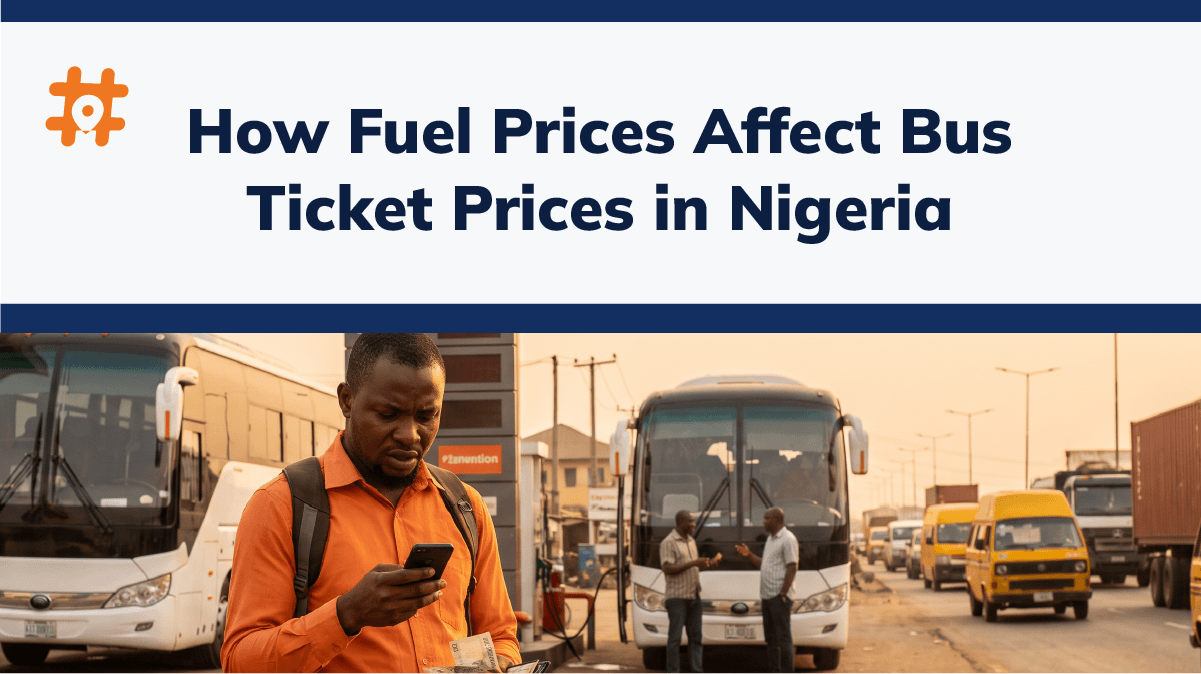
If you’ve noticed that bus fares across Nigeria seem to increase every few months, you’re not alone.
Whether you’re travelling from Lagos to Abuja, Port Harcourt to Enugu, Ibadan to Benin, or Kano to Kaduna, transport costs have risen significantly over the past few years. For many Nigerians, travelling has become one of the biggest monthly expenses.
But why exactly are transport fares increasing in Nigeria?
Is it simply because fuel prices are higher, or are there other factors driving these price increases?
In this comprehensive 2026 guide, we’ll explain the real reasons behind rising transport fares, how fuel prices affect ticket costs, what travellers can expect in the coming months, and practical ways to reduce travel expenses.
Why Fuel Prices Have a Direct Impact on Transport Fares
Fuel is one of the largest operating costs for every transport company.
Every interstate bus, shuttle, luxury coach, or commercial vehicle depends on either petrol or diesel to operate.
When fuel prices increase:
- Transport operators spend more on every trip.
- Daily operating costs rise.
- Profit margins become smaller.
- Companies adjust ticket prices to remain in business.
For example, if a bus consumes hundreds of litres of fuel weekly, even a modest increase in fuel prices can add tens of thousands of naira to monthly operating expenses.
Rather than operating at a loss, transport companies usually transfer part of these additional costs to passengers.
The Major Reasons Transport Fares Are Rising in Nigeria
1. Higher Fuel Prices
This is the biggest factor affecting transportation costs.
Nigeria has experienced multiple increases in petrol prices due to market reforms, exchange rate pressures, and changes in supply dynamics.
As fuel becomes more expensive, transport companies have little choice but to increase fares.
2. Rising Diesel Costs
Many luxury buses and heavy-duty interstate coaches operate on diesel.
When diesel prices increase, companies transporting passengers over long distances experience substantial increases in operating costs.
Routes like:
- Lagos to Abuja
- Lagos to Enugu
- Abuja to Port Harcourt
- Lagos to Owerri
become significantly more expensive to operate.
3. Inflation
Nigeria’s inflation continues to increase the cost of nearly every business expense.
Transport companies now pay more for:
- Vehicle servicing
- Spare parts
- Tyres
- Engine oil
- Insurance
- Office operations
- Employee salaries
These additional costs eventually affect ticket prices.
4. Exchange Rate Fluctuations
Most vehicle parts are imported.
Items such as:
- Brake pads
- Tyres
- Batteries
- Suspension components
- Engine parts
have become significantly more expensive because of exchange rate movements.
Higher maintenance costs naturally increase transport fares.
5. Poor Road Conditions
Bad roads increase vehicle maintenance expenses.
Transport companies spend more replacing:
- Shock absorbers
- Tyres
- Wheel bearings
- Suspension systems
Poor roads also increase fuel consumption and extend travel time.
6. Vehicle Maintenance Costs
Modern interstate buses require regular servicing to remain safe and reliable.
Routine maintenance includes:
- Oil changes
- Brake inspections
- Engine servicing
- Air conditioning repairs
- Electrical repairs
As maintenance costs rise, transport operators review their fare structure.
7. Increased Cost of Vehicle Financing
Many transport companies purchase buses through loans or lease agreements.
Higher interest rates increase repayment costs, which can eventually influence passenger fares.
How Fuel Prices Affect Bus Ticket Prices
Fuel affects almost every stage of transportation.
Here’s a simplified breakdown:
| Operating Expense | Effect of Fuel Price Increase |
|---|---|
| Fuel | Higher daily operating costs |
| Vehicle Maintenance | More wear and tear |
| Logistics | Increased transportation of spare parts |
| Staff Transportation | Higher employee commuting costs |
| Terminal Operations | Increased generator fuel expenses |
| Delivery Services | Higher operational costs |
Ultimately, these costs are reflected in the final ticket price.

Why Transport Companies Cannot Absorb These Costs Forever
Many travellers wonder why transport companies don’t simply keep prices unchanged.
The reality is that transport businesses operate with ongoing expenses.
They must continue to pay for:
- Drivers
- Mechanics
- Terminal staff
- Security
- Fuel
- Vehicle repairs
- Taxes
- Insurance
- Licensing
Without adjusting fares periodically, many operators would struggle to remain financially sustainable.
Which Routes Have Seen Higher Fare Increases?
Although fare changes vary by operator and season, long-distance routes generally experience larger increases because they consume more fuel.
Examples include:
- Lagos to Abuja
- Lagos to Enugu
- Lagos to Owerri
- Lagos to Port Harcourt
- Abuja to Calabar
- Kano to Lagos
- Benin to Abuja
Longer distances require more fuel, making them more sensitive to fuel price increases.
How Travellers Can Reduce Transport Costs
Although travellers cannot control fuel prices, there are smart ways to save money.
Book Early
Advance bookings often provide better seat availability and help you avoid last-minute price increases during peak travel periods.
Avoid Peak Travel Seasons
Travel costs are usually higher during:
- Christmas
- Easter
- Public holidays
- School vacations
Travelling a few days earlier or later may reduce costs.
Compare Available Operators
Different transport companies may charge different prices for the same route.
Comparing available options helps you find the best balance between price, comfort, and departure time on Intercity.
Choose Reliable Booking Platforms
Online booking platforms allow travellers to compare operators, schedules, and prices in one place, helping them make informed decisions without visiting multiple terminals.
Travel Light
Some transport companies charge extra for excess luggage.
Packing only what you need can help avoid additional fees.
Will Transport Fares Continue to Increase?
Transport fares depend on several economic factors.
Future fare movements may be influenced by:
- Fuel prices
- Inflation
- Exchange rates
- Government policies
- Road infrastructure improvements
- Vehicle maintenance costs
If operating costs stabilize, fare increases may become less frequent. However, significant changes in these factors can still affect transportation costs.
Why Online Bus Booking Is Becoming More Popular
As transport costs fluctuate, more Nigerians are choosing online bus booking because it allows them to:
- Compare prices before travelling.
- View available departure times.
- Reserve seats in advance.
- Avoid long queues at terminals.
- Plan trips more efficiently.
This convenience has made digital booking platforms an increasingly preferred option for interstate travel.
Final Thoughts
The increase in transport fares across Nigeria is driven by more than just fuel prices. Rising diesel costs, inflation, exchange rate fluctuations, poor road conditions, vehicle maintenance, and higher operational expenses all contribute to the cost of moving people safely across the country.
While these economic realities affect both transport operators and passengers, travellers can still make smarter decisions by planning ahead, comparing available travel options, and booking early.
Understanding the reasons behind fare increases helps travellers budget more effectively and choose the most convenient and cost-efficient transport options for their journeys.
Book Your Next Bus Trip with Intercity
Looking for a convenient way to travel across Nigeria?
With Intercity, you can:
- Compare multiple transport operators.
- Book bus tickets online in minutes.
- Choose preferred departure times.
- Reserve your seat before travelling.
- Enjoy a simple, secure, and hassle-free booking experience.
Plan your next journey today and travel smarter with Intercity.
Frequently Asked Questions (FAQs)
Transport fares are increasing mainly because of higher fuel prices, inflation, increased vehicle maintenance costs, exchange rate fluctuations, and rising operational expenses for transport companies.
Fuel is one of the largest operating costs for transport operators. When petrol or diesel prices increase, companies spend more on each trip, often leading to higher ticket prices.
Long-distance journeys consume more fuel, require additional vehicle maintenance, and involve higher operating costs, making these routes more expensive than shorter trips.
Yes. If fuel prices stabilize, inflation eases, exchange rates improve, and operating costs reduce, transport fares may become more stable or decrease, depending on market conditions.
Booking early, avoiding peak travel periods, comparing transport operators, travelling with minimal luggage, and using trusted online booking platforms are effective ways to reduce travel costs.
Related Articles
Why Transport Prices Fluctuate in Nigeria (2026 Guide + Money-Saving Tips)
Nigeria Transport Price Index 2026: Bus Fares, Routes & Travel Costs